


Services

CHILDHOOD NUTRITION
Childhood nutrition involves making sure that children eat healthy foods to help them grow and develop normally, as well as to treat or prevent obesity and future lifestyle diseases.
FOOD ALLERGIES
Food allergy is an immune system reaction that occurs soon after eating a certain food. Even a small amount of the allergy-causing food can trigger symptoms such as digestive problems, hives or swollen airways.It is important to differentiate between a food allergy and an intolerance, which is a less serious condition that does not involve the immune system.
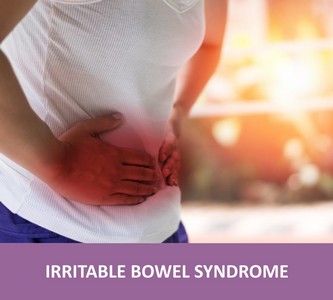
IRRITABLE BOWEL SYNDROME
Irritable Bowel Syndrome (IBS or spastic colon) is a disorder that affects the large intestine. Symptoms include abdominal pain and cramping, bloating, gas, constipation, diarrhoea, or both.IBS can be controlled with managing your diet (we specialise in Low FODMAP, bowel recovery eating plans)
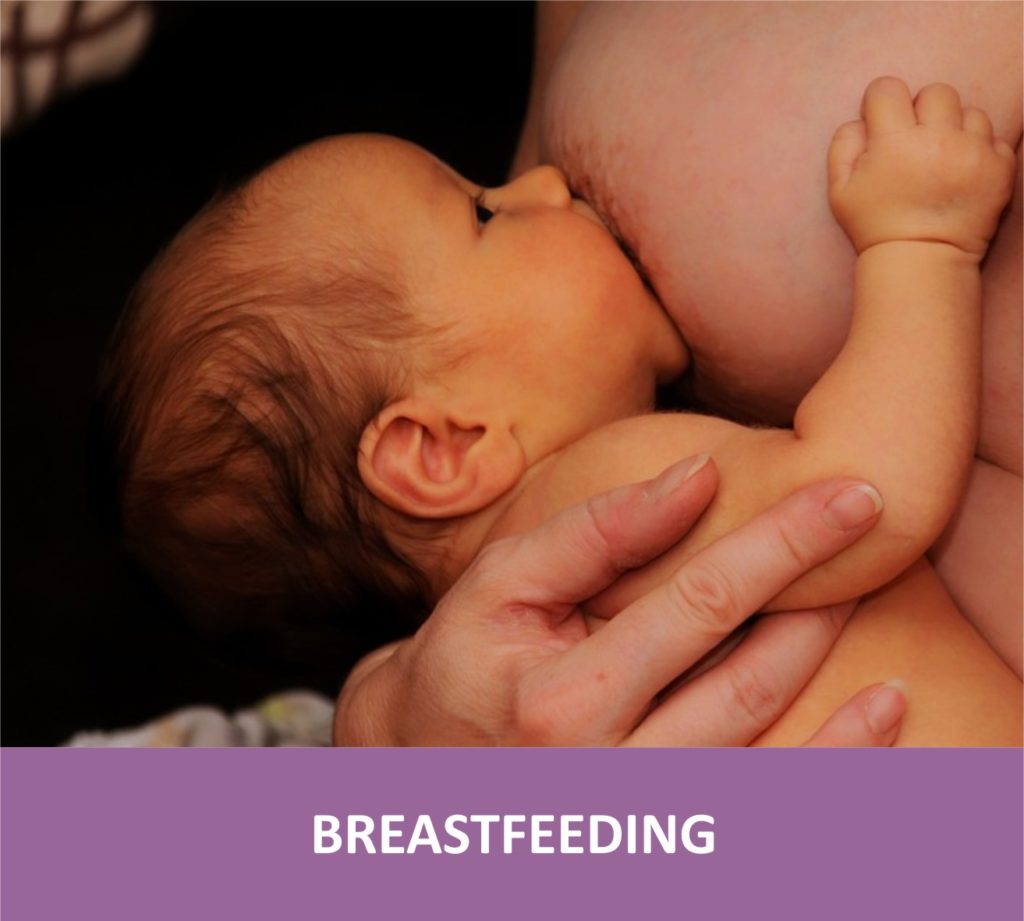
BREASTFEEDING
Breast-feeding and nutrition can be confusing. How much should you eat? Which foods should you avoid? How might your diet affect your baby?A dietitian can work out a specialised eating plan to provide in both you and your baby’s needs.

PREGNANCY
Healthy eating during pregnancy is critical to your baby’s growth and development. A dietitian can help you with a tailor-made eating plan to not only consume the correct amount of nutrients, but also monitor your weight, treat Gestational Diabetes and pre-eclampsia.
DNA DIETS/ GENETIC TESTING
There is no one diet that fits every single individual. By testing your DNA your dietitian will be able to devise the most tailor-made eating plan that is adapted to your specific genetic variations. These variations impact metabolism, absorption and storage of fats and carbohydrates, as well as eating behaviour..
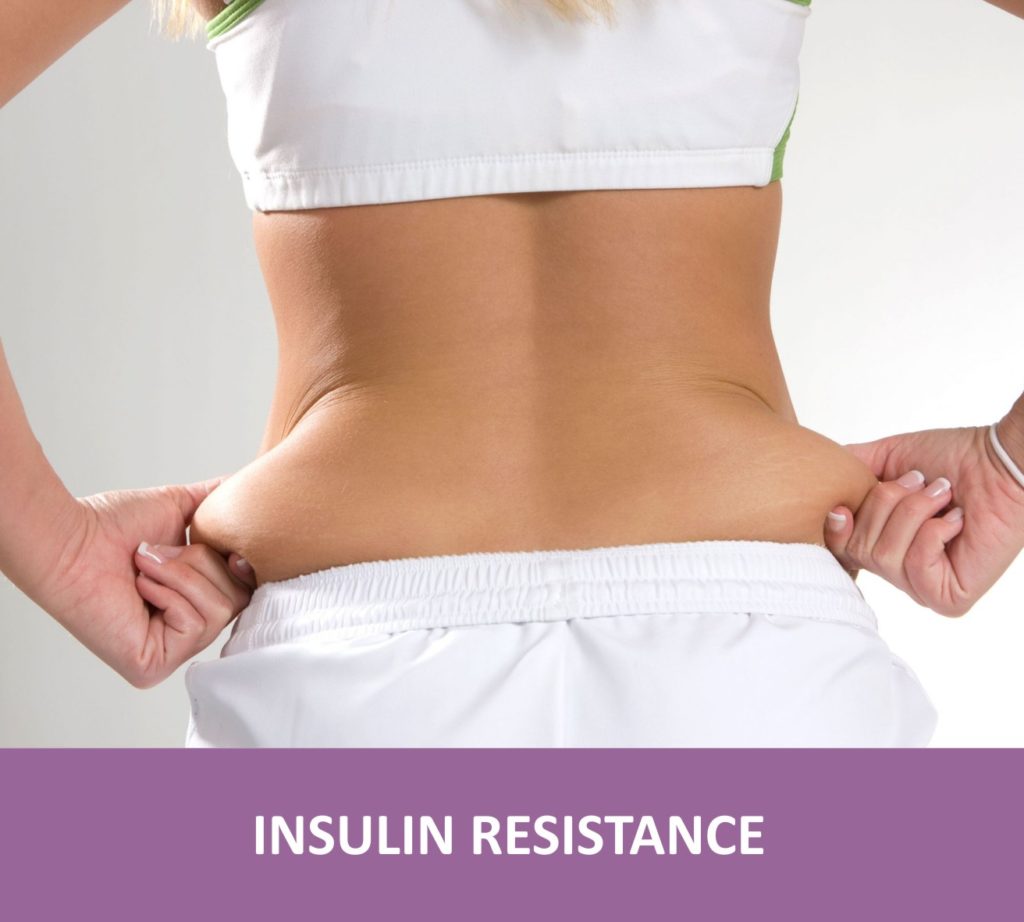
INSULIN RESISTANCE
Individuals with Insulin Resistance struggle to lose weight via traditional weight-loss prescriptions because their body is not burning fuel the way it should be. Insulin is a fat storage hormone, the more of it that circulates in the body, the harder it becomes to burn body fat. High levels of insulin can also make you feel tired and crave sugar.A dietitian will develop a tailor-made eating plan to assist weight-loss and especially abdominal fat burning.
.

WEIGHT MANAGEMENT
Weight management describes both the techniques and underlying physiological processes that contribute to a person’s ability to attain and maintain a certain weight. Weight management techniques encompass long-term lifestyle strategies that promote healthy eating and physical activity, mainly based on a person’s age, sex and height..

THERAPEUTIC DIETS
A therapeutic diet is usually a modification of a regular diet that controls the intake of certain foods or nutrients. Examples are gluten-free diets, renal diets, diets for high blood pressure and high cholesterol.Depending on a person’s health condition, the therapeutic diet may be temporary, or it may develop into permanent lifestyle change. A dietitian will help you with the necessary lifestyle modifications.